
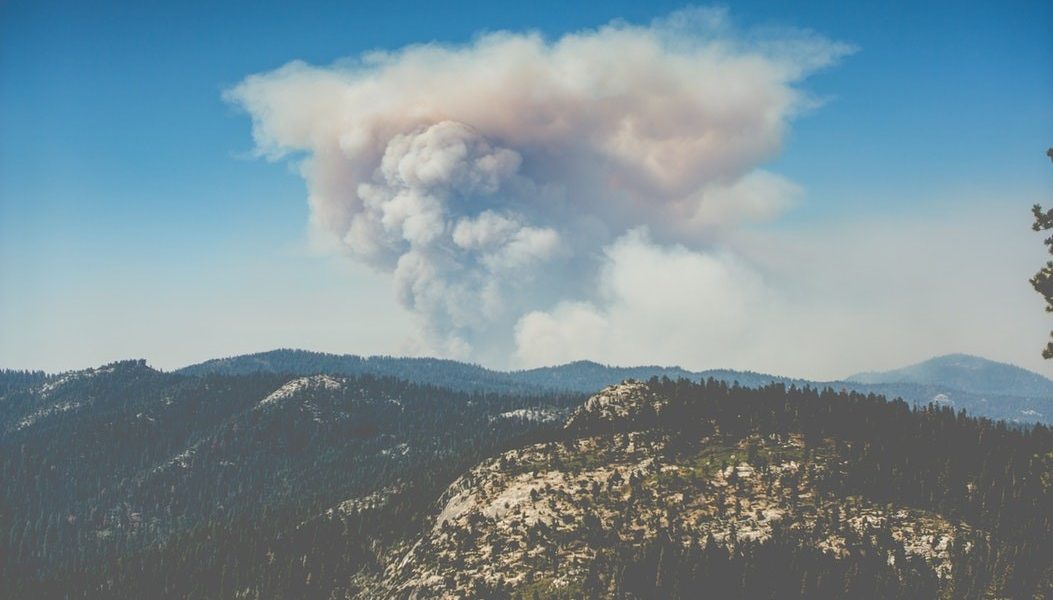
Wildfires are becoming more frequent and intense across many regions, including parts of British Columbia. One of the most significant consequences is the effect of wildfires on air quality, which can impact communities far beyond the fire itself. Smoke released during wildfires carries harmful pollutants through the atmosphere, exposing residents to degraded air conditions and increasing potential health concerns.
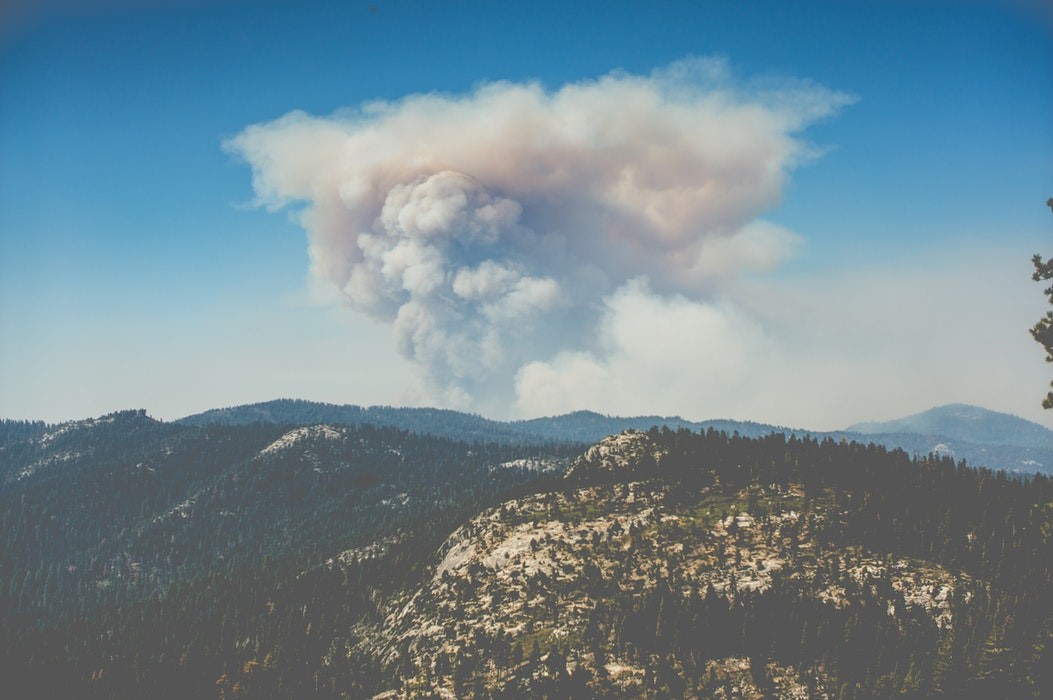
For communities around Knutsford, BC, understanding how wildfire smoke affects air quality and public health can help residents stay informed and take practical precautions during wildfire season.
What Happens to Air Quality During Wildfires?
Wildfires release large amounts of smoke, gases, and microscopic particles into the atmosphere. These pollutants can travel hundreds or even thousands of kilometers, affecting air quality in nearby towns and distant regions.
Common pollutants produced by wildfire smoke include:
- Fine particulate matter (PM2.5)
- Carbon monoxide
- Nitrogen oxides
- Volatile organic compounds (VOCs)
Fine particulate matter is particularly concerning because these extremely small particles can travel deep into the lungs and potentially enter the bloodstream.
When wildfire smoke spreads across an area, air quality conditions can shift quickly from normal levels to unhealthy or hazardous ranges. This significantly increases wildfire smoke exposure for nearby communities.
Why Wildfire Smoke Exposure Can Affect Health
Wildfire smoke contains a mixture of particles and gases that can irritate the respiratory system and aggravate existing medical conditions. Even short periods of exposure can affect how people feel and breathe.
Some common symptoms associated with smoke exposure include:
- Coughing or throat irritation
- Shortness of breath
- Eye irritation
- Headaches
- Fatigue
People who spend extended periods outdoors during smoky conditions may experience greater exposure to these airborne pollutants.
Health agencies often issue air quality advisories during wildfire events to encourage residents to limit exposure and reduce potential risks.

Who Faces Higher Wildfire Smoke Health Risks?
Although wildfire smoke can affect anyone, certain groups are more sensitive to polluted air. Understanding wildfire smoke health risks helps communities protect those most vulnerable.
Higher-risk groups include:
- Children and infants
- Older adults
- People with asthma or chronic lung conditions
- Individuals with cardiovascular disease
- Outdoor workers and emergency responders
For these populations, elevated smoke levels may increase the likelihood of asthma flare-ups, respiratory infections, or cardiovascular stress.

How Wildfire Smoke Affects Entire Communities
The impact of wildfire smoke goes beyond individual health concerns. Entire communities can experience disruptions when air quality deteriorates.
Some common community impacts include:
- Reduced outdoor activities and school schedule changes
- Increased healthcare visits and medical demand
- Reduced visibility affecting transportation
- Economic disruptions for outdoor industries and tourism
Because smoke can linger for days or weeks depending on weather conditions, communities may experience repeated periods of poor air quality during wildfire season.
Monitoring systems and environmental risk assessments can help communities better understand these changing conditions and prepare accordingly.

Practical Ways to Reduce Exposure to Wildfire Smoke
While individuals cannot control wildfire events themselves, there are several steps people can take to reduce exposure during periods of heavy smoke.
Ways to protect yourself during smoky conditions
- Check local air quality updates regularly through official monitoring sources.
- Limit outdoor activity when smoke levels are elevated.
- Keep windows and doors closed when outdoor air quality is poor.
- Use high-efficiency air filters or air purifiers indoors.
- Wear a properly fitted N95 mask if outdoor exposure is unavoidable.
Preparedness planning and environmental monitoring can also help communities better understand potential wildfire impacts and reduce risk.
Why Understanding Wildfire Air Quality Risks Matters
As wildfire seasons grow longer and more intense, understanding the broader effect of wildfires on air quality is becoming increasingly important for communities and organizations alike. Awareness of these risks helps residents make informed decisions to protect their health and minimize exposure during smoke events.
For residents and businesses in the Knutsford area, staying informed about wildfire conditions and environmental risks can support safer community planning during wildfire season.
Organizations like SPIEDR help monitor environmental hazards and provide data-driven insights that support better wildfire preparedness and risk awareness.
If you want to learn more about environmental risk monitoring or wildfire-related analysis, exploring SPIEDR’s resources can be a helpful first step.
Frequently Asked Questions
How far can wildfire smoke travel?
Wildfire smoke can travel hundreds or even thousands of kilometers depending on atmospheric conditions and wind patterns. As a result, communities located far from the fire itself may still experience reduced air quality.
How long does wildfire smoke stay in the air?
Smoke can remain in the atmosphere for several days or even weeks. Weather conditions such as wind patterns, temperature inversions, and rainfall influence how long smoke lingers in an area.
What air quality level is considered unsafe during wildfires?
Air quality becomes concerning when fine particulate matter (PM2.5) levels rise above health guideline thresholds. Government agencies typically issue air quality advisories when pollution levels become unhealthy for sensitive groups or the general public.
Can wildfire smoke affect indoor air quality?
Yes. Smoke particles can enter homes through ventilation systems, open windows, and small building gaps. Using air purifiers, improving filtration, and keeping windows closed during heavy smoke events can help reduce indoor exposure.

