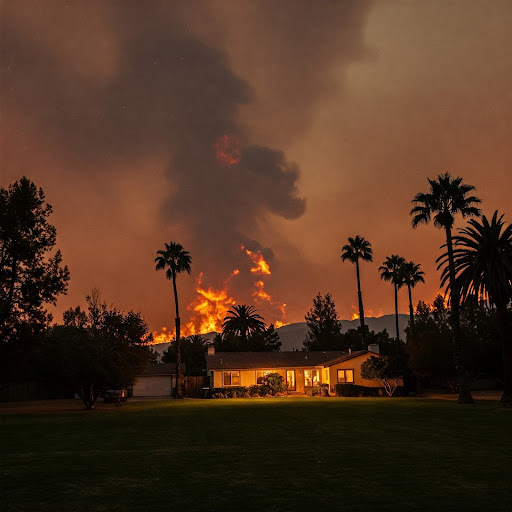
Advanced firefighting equipment plays a critical role in slowing, containing, and suppressing today’s increasingly destructive wildfires. Although wildfire risk has long been part of life in places like California, recent years have brought a noticeable rise in intensity, speed, and overall impact.
Hotter summers, shorter rainy seasons, and prolonged drought conditions have created landscapes primed to burn. When ignition occurs, fires spread faster, burn hotter, and threaten both natural areas and growing communities. Preparation is no longer optional — it is essential.
As one of British Columbia’s leading wildfire prevention and suppression authorities, SPIEDR supports communities across Canada and beyond with professional-grade equipment and practical wildfire defence strategies.
Why Are California Wildfires Becoming More Severe?
Several converging factors have increased the scale and destructiveness of recent wildfire events:
Extended drought and dry fuel loads
Long periods without rainfall leave vegetation extremely dry, creating abundant fuel.
High wind events
Seasonal winds can carry embers significant distances, igniting new spot fires ahead of the main front.
Urban expansion into wildland areas
As development pushes closer to forests and grasslands, more structures are exposed to wildfire risk.
Resource strain during major events
Large-scale incidents can overwhelm local response teams, requiring interagency and even international assistance.
While climate conditions may be outside our control, preparedness is not. Strategic planning, training, and reliable suppression tools significantly improve outcomes when fires ignite.
How Advanced Equipment Supports Wildfire Response
Effective wildfire response depends on three pillars: trained personnel, a coordinated strategy, and dependable equipment. When properly deployed, modern systems can slow fire progression, protect structures, and support frontline crews.
Sprinkler Trailers
Sprinkler trailers are designed for rapid deployment across large areas. They are especially useful for protecting structures and creating wet buffer zones during fast-moving events.
Key advantages include:
- Rapid setup – Units can be positioned and activated quickly as conditions escalate.
- High-volume output – Capable of saturating structures and surrounding vegetation.
- Flexible water sourcing – Useful in remote areas where hydrants or municipal supply may be limited.
For properties near forests or in rural settings, mobile sprinkler systems provide an added layer of defence during evacuation scenarios.
Structure-Mounted Sprinkler Systems
Permanent or semi-permanent sprinkler systems help reduce ignition risk by pre-wetting vulnerable surfaces such as:
- Rooflines
- Decks
- Exterior walls
- Nearby vegetation
Many systems offer remote activation, allowing property owners or response teams to engage them safely from a distance. In wildfire conditions where embers are the primary threat, pre-soaking surfaces can significantly reduce the chance of ignition.
Fire Pumps
Fire pumps are the backbone of many suppression systems. They ensure consistent water pressure for hoses, trailers, and fixed sprinkler setups.
High-performance pumps also provide flexibility in water sourcing. When municipal supply is unavailable, they can draw from:
- Lakes
- Rivers
- Ponds
- On-site water storage
- Even swimming pools in emergency situations
Reliable pumping capacity often determines whether suppression systems perform effectively under pressure.
Why Preparation Matters More Than Ever
Wildfires are unlikely to disappear — and in many regions, seasonal intensity is increasing. While no system can eliminate risk entirely, investing in professional-grade firefighting equipment strengthens response capability and reduces potential loss.
Preparedness also extends beyond hardware. Risk assessments, defensible space planning, and coordinated response strategies all work together with suppression tools to create a comprehensive defence plan.
Protecting Property with the Right Equipment
From mobile sprinkler trailers to high-capacity fire pumps, SPIEDR supplies dependable wildfire suppression solutions built for real-world conditions. Whether supporting municipalities, industrial operations, or rural properties, the right equipment makes a measurable difference when every minute counts.
If you’re evaluating wildfire preparedness options, our team can help you determine which systems align with your operational needs and risk profile.
Contact SPIEDR to learn more about available equipment and wildfire defence solutions.
Frequently Asked Questions
What types of properties benefit most from wildfire suppression equipment?
Rural homes, industrial sites, forestry operations, municipalities, and properties located near wildland areas gain the most benefit. However, any structure in a fire-prone region can improve resilience with the right systems.
How quickly can sprinkler trailers be deployed?
Most high-quality units are designed for rapid setup and can be operational within minutes, depending on site conditions and water access.
Do fire pumps require a municipal water connection?
No. Many advanced pumps are capable of drawing from natural water sources such as lakes and rivers, as well as stored water tanks.
Is wildfire equipment meant to replace firefighters?
No. These systems are designed to support trained crews, improve response efficiency, and protect assets when resources are stretched.

