

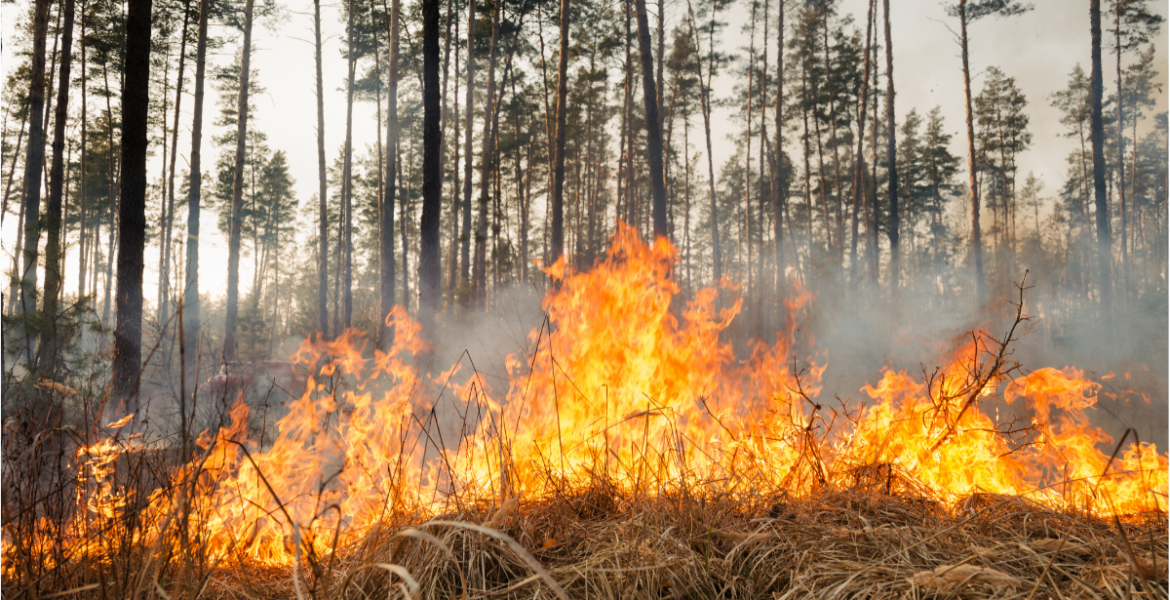
Extreme heat across Western Canada is raising serious concerns about wildfire risk throughout British Columbia. When temperatures climb and vegetation dries out, landscapes become far more vulnerable to ignition and rapid fire spread.
During the BC wildfire season, heatwaves can significantly increase the likelihood of fires affecting communities, businesses, and infrastructure. For organizations located near forested or rural areas — including regions around Knutsford, BC — understanding these conditions is an important part of planning and protection.
This article explains how heatwaves influence wildfire activity and outlines practical steps businesses and property owners can take to reduce exposure during periods of extreme heat.
How Heatwaves Increase Wildfire Risk
Heatwaves create the conditions that allow fires to ignite more easily and spread more rapidly. Extended periods of high temperatures dry out vegetation, turning grass, shrubs, and trees into highly combustible fuel.
Several heatwave impacts contribute to rising wildfire danger:
- Vegetation becomes extremely dry and easier to ignite
- Lower humidity accelerates fire spread
- Wind patterns during heat events can carry embers long distances
- Forests become stressed, increasing the amount of dead or weakened fuel
Under these conditions, even a small spark — from lightning, machinery, or human activity — can quickly grow into a large wildfire.
When extreme heat lasts for multiple days or weeks, fire danger ratings often increase across wide areas of British Columbia.
What to Know About the BC Wildfire Season
The BC wildfire season generally runs from spring through early fall, with the highest fire activity typically occurring during the warmest summer months.
Wildfire activity during this period is influenced by several environmental factors:
- Winter snowpack levels
- Spring rainfall and soil moisture
- Summer temperatures and drought conditions
- Lightning storms and seasonal winds
When a record heatwave occurs during the middle of wildfire season, these factors can combine to create especially volatile fire conditions. Provincial wildfire agencies often issue elevated danger ratings and public warnings during these periods to encourage caution and preparedness.
How Extreme Heat Can Affect Businesses and Property
Businesses operating near forests, grasslands, or rural landscapes may face increased exposure when temperatures rise.
Potential impacts include:
- Greater risk to buildings and infrastructure
- Smoke and poor air quality affecting operations
- Evacuation orders or operational interruptions
- Damage to equipment, inventory, or agricultural assets
Because wildfire conditions can change quickly, many organizations are now evaluating their exposure and implementing strategies to improve preparedness.
Practical Ways to Reduce Exposure During Heatwaves
While extreme heat increases wildfire risk, there are several practical measures businesses and property owners can take to reduce potential impacts.
Conduct a Wildfire Risk Assessment
A professional wildfire risk assessment evaluates factors such as vegetation, terrain, building materials, and surrounding land use.
This assessment helps identify vulnerabilities and determine which mitigation strategies are most appropriate for a specific property.
Maintain Defensible Space Around Buildings
Defensible space reduces the likelihood that fire will reach structures.
Effective steps include:
- Clearing dry vegetation and debris near buildings
- Trimming trees and managing landscaping
- Removing combustible materials from roofs and gutters
- Maintaining accessible routes for emergency responders
These actions can slow fire spread and give firefighters a safer environment to work in.
Install Structure Protection Systems
Some businesses install wildfire protection systems designed to help protect structures during wildfire events.
These systems may include sprinkler setups or portable water distribution equipment that reduce the chance of ignition from embers and radiant heat.
Develop a Wildfire Emergency Plan
Preparedness plans help organizations respond quickly if wildfire threats escalate.
A typical plan may include:
- Evacuation procedures
- Staff communication protocols
- Activation procedures for protection systems
- Emergency contact coordination
Preparing for Rising Wildfire Risk in British Columbia
Wildfire conditions are becoming more complex as climate patterns shift and extreme heat events become more common. Understanding these risks allows businesses and property owners to take preventative action before wildfire threats escalate.
For organizations operating near Knutsford, BC, preparation can play a critical role in protecting infrastructure and maintaining operations during wildfire season.
Companies like SPIEDR work with businesses to improve wildfire preparedness through protection systems, training, and risk mitigation strategies designed for wildfire-prone environments.
Preparing for Rising Wildfire Risk in British Columbia
Record heatwaves are increasing wildfire risk across British Columbia, making preparedness more important than ever. Understanding heatwave impacts, staying aware of the BC wildfire season, and taking proactive mitigation steps can help businesses protect their people, property, and operations.
For organizations operating around Knutsford, BC, early planning can significantly reduce the potential impact of wildfire threats.
If you’re exploring ways to strengthen wildfire preparedness, SPIEDR offers solutions and expertise designed to help businesses better manage wildfire risk and improve protection when it matters most.
Frequently Asked Questions
Why does extreme heat increase the chance of wildfires?
High temperatures dry out vegetation and reduce humidity levels. These conditions allow fires to ignite more easily and spread faster once they start.
When does wildfire season typically occur in British Columbia?
Wildfire season in British Columbia usually runs from spring through early fall, with peak fire activity often occurring during hot and dry summer periods.
Which businesses face the greatest wildfire exposure?
Organizations located near forests, grasslands, agricultural land, or remote rural areas typically face higher wildfire exposure due to nearby vegetation and fuel sources.
What is the first step businesses should take to prepare?
Many organizations begin with a wildfire risk assessment to understand their exposure and identify the most effective prevention and protection measures.

