

Wildfire season is becoming longer, more unpredictable, and more destructive especially in areas like Knutsford, BC. Knowing how to prepare for wildfire season ahead of time can make a meaningful difference in protecting your property, animals, and livelihood.
This guide outlines practical steps you can take early before conditions worsen to reduce risk and stay in control.
Why Preparing Early Matters
The most effective wildfire protection starts before risk levels rise. Waiting until smoke is visible or alerts are issued limits your options and increases exposure.
Early preparation allows you to:
- Reduce fuel sources around your property
- Strengthen your home against ignition
- Plan safe and efficient evacuation routes
- Respond calmly with a clear plan
For property owners in fire-prone regions, early action is one of the most important advantages you have.
Start With a Clear Understanding of Your Risk
Before making changes, it’s important to understand where your property is most vulnerable. A wildfire risk assessment helps identify weak points and prioritize the most effective improvements.
Key risk factors to review:
- Vegetation located close to buildings
- Overhanging branches or dense tree coverage
- Debris buildup on roofs or in gutters
- Limited access for emergency response
- Surrounding terrain and nearby fuel sources
A professional assessment can provide a more detailed and structured plan.
Create Defensible Space Around Structures
One of the most practical wildfire preparedness tips is creating defensible space. This is the buffer around your home or buildings that helps slow or reduce fire intensity.
What to focus on:
- Clear vegetation within 10–30 meters of structures
- Trim trees and remove dead or dry branches
- Space out plants and shrubs to prevent fire spread
- Regularly remove leaves, needles, and debris
Use a zone-based approach:
- 0–1.5m: Keep clear of anything flammable
- 1.5–10m: Reduce density and maintain spacing
- 10–30m+: Thin vegetation and remove ladder fuels
This layered strategy helps reduce the chance of fire reaching your structures.
Reduce the Chance of Ember Ignition
Embers are a leading cause of structure fires during wildfires. They can travel long distances and ignite vulnerable areas of your home.
Simple upgrades that make a difference:
- Install ember-resistant vents
- Use fire-resistant roofing and siding materials
- Keep gutters clean and free of debris
- Seal small openings where embers could enter
Addressing these small vulnerabilities can significantly improve your overall protection.
Build a Practical Evacuation Plan
If evacuation becomes necessary, having a plan in place removes uncertainty and saves time.
Your plan should include:
- Multiple evacuation routes
- A communication plan for family or staff
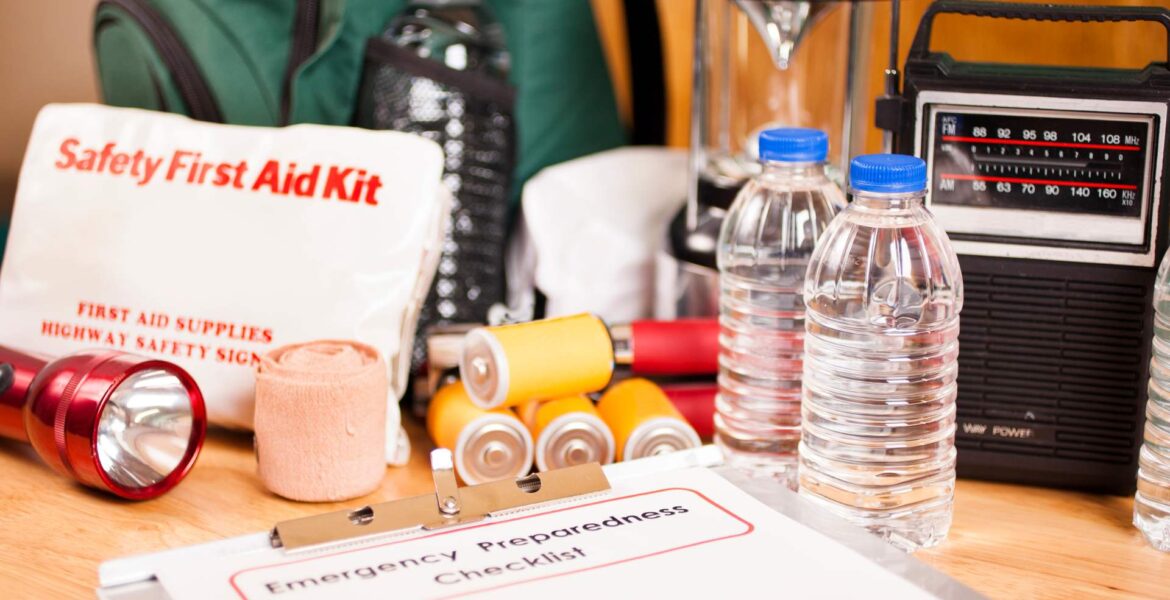
- A go-bag with essential items (documents, medications, supplies)
- Arrangements for pets and livestock
Practicing your plan ahead of time ensures everyone knows what to do when it matters most.
Keep Up With Ongoing Maintenance
Preparation doesn’t stop once your initial work is done. Conditions change throughout the season, and maintenance is key to staying protected.
Stay on top of:
- New vegetation growth
- Fallen branches and organic debris
- Roof, vent, and gutter condition
- Local fire conditions and weather patterns
Consistent upkeep helps maintain the effectiveness of your earlier efforts.
When to Bring in Professional Support
While many steps can be handled independently, working with experienced professionals can help you take a more structured and complete approach.
Support may include:
- Detailed property evaluations
- Targeted fire mitigation planning
- Strategic vegetation management
Wildfire Preparedness in Knutsford, BC
In areas like Knutsford, surrounding vegetation and seasonal conditions can increase wildfire exposure. Taking action early before peak heat and dry periods can significantly reduce risk and improve overall safety.
Final Thoughts
Wildfire preparedness isn’t about reacting at the last minute, it’s about taking control early. By understanding your risks, making targeted improvements, and maintaining your property, you can significantly reduce potential damage and improve safety.
If you’re looking for guidance or a more structured approach, SPIEDR provides solutions designed to help property owners in Knutsford and surrounding areas stay prepared.
FAQ: Preparing for Wildfire Season
How early should I start preparing for wildfire season?
Ideally, preparation should begin in early spring or as soon as conditions allow. This gives you enough time to complete key improvements before risk levels increase.
What’s the difference between wildfire preparation and mitigation?
Preparation focuses on readiness (planning, supplies, evacuation), while mitigation involves physical changes to reduce fire risk, such as clearing vegetation or improving building materials.
Do I need a professional risk assessment?
Not always, but it can be valuable for larger or more complex properties. It provides a structured view of your risks and helps prioritize the most effective actions.
What are the most common wildfire preparation mistakes?
Delaying action, overlooking small vulnerabilities (like vents or debris), and not having a clear evacuation plan are among the most common issues.

