
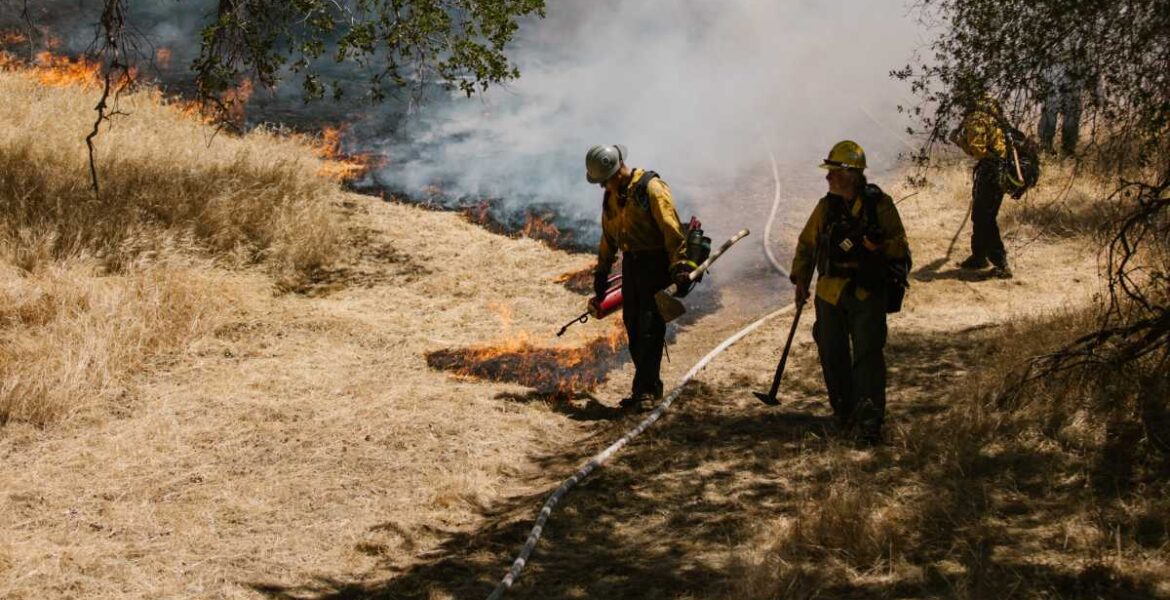
Wildland fire consulting services can help to prepare and safeguard communities against wildfire. Here is what you can expect from SPIEDR’s wildland fire consulting services for fuel management.
Wildfire mitigation is a critical part of protecting properties, infrastructure, and surrounding landscapes—especially in high-risk regions like Knutsford, BC. As wildfire seasons grow more unpredictable, working with experienced fuel management consultants helps property owners take proactive steps to reduce risk before conditions escalate.
These professionals provide practical guidance, site-specific planning, and implementation strategies to manage vegetation and limit how fires spread.
What Do Fuel Management Consultants Do?
Fuel management consultants evaluate wildfire risk and develop clear, actionable plans to reduce it.
They typically:
- Assess fuel loads such as dry vegetation, brush, and tree density
- Identify vulnerable areas around structures and access points
- Develop customized mitigation strategies
- Recommend appropriate fuel management services
- Support implementation and long-term maintenance planning
Their role is to translate complex wildfire risk factors into practical steps property owners can follow with confidence.
How Fuel Management Helps Reduce Wildfire Risk
Fuel management directly influences how a wildfire behaves. By reducing excess vegetation and controlling fuel sources, consultants help limit fire intensity and spread.
This approach supports wildfire mitigation by:
- Slowing the rate at which fire moves across a property
- Reducing heat output and flame length
- Lowering the risk of ember ignition near structures
- Improving access and safety for response crews
Without these measures, even moderate wildfire conditions can become difficult to control.
Common Strategies Used in Fuel Management Services
Fuel management consultants apply a combination of techniques based on the property’s layout, vegetation, and risk level.
Vegetation Thinning
Selective removal of trees and brush to reduce density and improve spacing.
Defensible Space Planning
Creating cleared or managed zones around structures to reduce ignition risk.
Fuel Breaks
Strategically cleared strips that help slow or redirect fire movement.
Targeted Treatments
Methods such as controlled clearing or other site-appropriate techniques to manage buildup safely.
When combined, these strategies create a layered approach that strengthens overall wildfire mitigation efforts.
When Does It Make Sense to Hire a Consultant?
Engaging a consultant early allows for more effective and manageable planning.
You may benefit from fuel management consulting if:
- Your property is located in a forested or rural setting
- Vegetation is dense or has been unmanaged over time
- You want to prepare ahead of wildfire season
- You’re developing land and need a professional risk assessment
- You’ve seen wildfire activity nearby
Taking action early reduces the need for reactive, high-pressure decisions later.
What the Process Typically Looks Like
Fuel management consulting is designed to be practical and collaborative.
A typical process includes:
- Site Assessment – Evaluating terrain, vegetation, and structural exposure
- Risk Analysis – Identifying key vulnerabilities and fire behavior factors
- Plan Development – Creating a clear, step-by-step strategy
- Implementation Support – Coordinating or advising on fuel management services
- Ongoing Planning – Establishing maintenance to keep risk levels low over time
This structured approach helps ensure that mitigation efforts are both effective and sustainable.
Why Local Knowledge Makes a Difference
Wildfire behavior varies depending on regional conditions, which is why local experience matters.
In areas like Knutsford, BC, factors such as terrain, vegetation types, and seasonal weather patterns all influence fire risk. Consultants who understand these conditions can design strategies that are more precise and effective than generalized approaches.
Final Thoughts
Effective wildfire mitigation starts with understanding risk and taking practical steps to manage it. Fuel management consultants provide the expertise needed to turn that understanding into a clear, actionable plan.
For property owners in and around Knutsford, BC, proactive planning can make a meaningful difference in long-term safety and resilience. SPIEDR offers solutions designed to support that process, helping you prepare with clarity and confidence.
FAQ: Fuel Management and Wildfire Planning
How long does a fuel management plan take to implement?
Timelines vary depending on property size, vegetation density, and project scope. Some treatments can be completed quickly, while larger properties may require phased work over time.
Is fuel management a one-time service?
No. Vegetation regrows, so ongoing maintenance is needed to keep wildfire risk levels low.
Can fuel management improve property value or insurability?
In some cases, reducing wildfire risk may support insurance requirements or improve overall property resilience, though this depends on the provider and region.
What’s the difference between fuel management and land clearing?
Fuel management is strategic and selective, focused on reducing fire risk. Land clearing is typically broader and may not consider wildfire behavior or long-term mitigation.

