

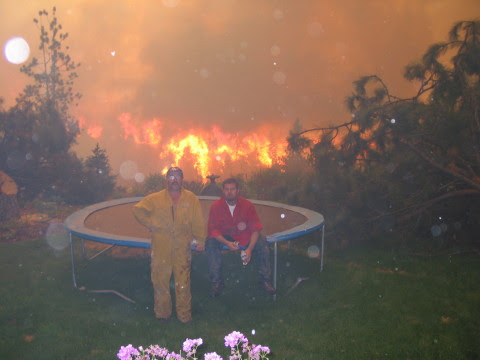
Wildfires are becoming more frequent and more intense, especially in regions like Knutsford, BC. Effective wildfire preparedness means more than reacting when a fire starts—it’s about taking practical steps early to protect your home, your family, and your property.
This guide outlines what matters most before, during, and after a wildfire so you can reduce risk and stay ready.
What Does Wildfire Preparedness Involve?
At its core, wildfire preparedness comes down to three priorities:
- Planning ahead (clear evacuation and communication plans)
- Protecting your property (reducing fire risk around structures)
- Being ready to act (having the right supplies and awareness)
When these are in place, your response becomes faster, more confident, and more effective.
How to Reduce Fire Risk Around Your Property
The most immediate way to improve wildfire property protection is by limiting what can burn near your home.
Start with the basics:
- Clear dry leaves, grass, and debris from around structures
- Move firewood, propane tanks, and combustibles away from buildings
- Trim trees and remove overhanging branches
- Keep roofs, gutters, and decks clean
Build defensible space:
- 0–1.5m: Keep this area non-combustible
- 1.5–10m: Space out plants and reduce fuel density
- 10–30m+: Thin trees and remove ladder fuels
These steps don’t eliminate risk—but they can significantly reduce how fire behaves around your property.
How to Prepare Your Family
A strong plan ensures everyone knows what to do if a wildfire occurs.
Create a simple emergency plan:
- Identify evacuation routes and a meeting location
- Plan for situations when family members are away (school, work)
- Arrange a temporary place to stay if needed
- Practice the plan at least once a year
Clarity and repetition are what make plans effective under pressure.
What Should Be in a Wildfire Emergency Kit?
A properly prepared wildfire emergency kit allows you to leave quickly without scrambling for essentials.
Key items to include:
- Drinking water (at least 4 litres per person per day)
- Non-perishable food and basic supplies
- Medications and a first aid kit
- Important documents (ID, insurance, passports)
- Flashlights, batteries, and chargers
- Clothing and personal items
Plan for pets as well—include food, water, and any necessary supplies.
What to Do When an Evacuation Warning Is Issued
If you receive an evacuation alert, early action gives you more control and flexibility.
Before leaving:
- Move outdoor furniture and combustible items indoors
- Close all windows and doors
- Remove or secure window coverings if advised
- Fill available containers or hoses with water
These steps help reduce ignition risk and can support firefighting efforts if access is needed.
Stay Prepared Throughout the Season
Preparation isn’t a one-time task. Conditions change quickly, and ongoing maintenance plays a key role.
Keep up with:
- Clearing new growth and debris
- Inspecting roofs, vents, and gutters
- Monitoring local fire conditions and alerts
- Maintaining defensible space
Consistency helps ensure your earlier efforts continue to work.
When to Consider Professional Support
For properties in higher-risk areas, a more structured approach can make a difference.
Support may include:
- Property risk assessments
- Fire mitigation planning
- Equipment and protection solutions
Final Thoughts
Wildfire preparedness is about being ready before a fire starts—not reacting when it’s already too late. With a clear plan, consistent maintenance, and the right precautions, you can better protect your home, your family, and your property.
If you’re looking for guidance or a more structured approach, SPIEDR offers solutions designed to help property owners stay prepared and protected in high-risk areas.
Wildfire Preparedness in Knutsford, BC
In areas like Knutsford, surrounding vegetation and seasonal dry conditions can increase wildfire exposure. Taking proactive steps before peak season helps reduce potential damage and improves safety for both your property and your family.
FAQ: Wildfire Preparedness
How much time should I set aside to prepare for wildfire season?
Basic preparation can be done in a few hours, but more thorough work—like clearing vegetation or improving materials—should be done well in advance.
What makes a property more vulnerable to wildfire?
Dense vegetation near structures, accumulated debris, and unprotected openings (like vents or roofs) are common risk factors.
Is a wildfire emergency kit really necessary?
Yes. Having essentials ready allows you to evacuate quickly without delays or last-minute decisions.
Can wildfire preparedness actually reduce damage?
While no method guarantees protection, preparation significantly improves your chances of reducing damage and slowing fire spread.

