

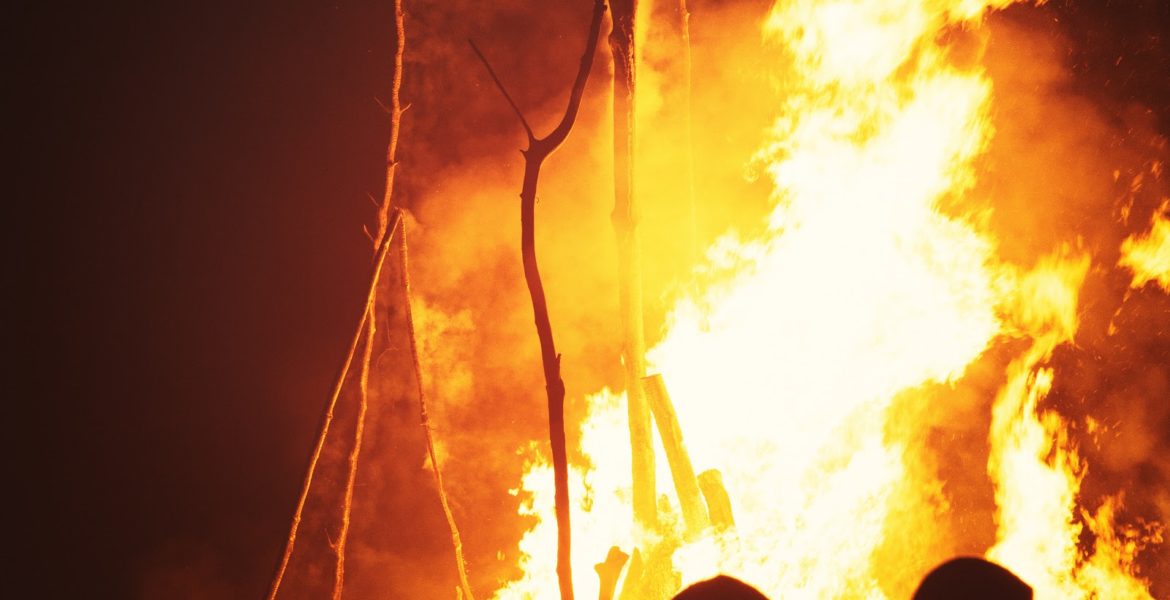
As communities prepare for the annual wildfire season, the ongoing coronavirus pandemic is adding new challenges to how wildfire response and suppression efforts are carried out. Firefighters and emergency planners must now balance traditional wildfire management with health protocols like social distancing and reduced travel, which influence staffing, training, and on-the-ground operations.
Wildfire activity in recent years has shown how unpredictable fire seasons can be — from prolonged smoke exposure to record-breaking hectares burned — and the added complication of a pandemic underscores the need for flexible planning and robust preparedness.
How Human Behaviour Affects Wildfire Risk
One anticipated effect of social distancing and travel restrictions is a potential reduction in human-caused ignitions. With fewer people camping, driving off-road, or engaging in recreational activities, the risk of accidental fire starts may decrease. However, human activity still contributes significantly to wildfire starts in many seasons.
When wildfires do occur, authorities are enforcing stricter penalties for negligent behaviour — including increased fines and, in some cases, liability for suppression costs — to discourage careless actions that could divert resources during a pandemic-impacted season.
Stricter Fire Bans and Restrictions
In efforts to reduce the number of preventable wildfires, several regions are implementing earlier and stricter fire bans. Restrictions on campfires, off-highway vehicles (OHVs), and other potential ignition sources are intended to minimize controlled burns that can be mistaken for wildfires and create unnecessary response activity.
These proactive measures help wildfire services focus resources on natural wildfire outbreaks and support public safety when traditional evacuation procedures are complicated by health restrictions.
Adapting Wildfire Suppression Procedures
Fire suppression operations have also adapted to pandemic protocols. To reduce the risk of virus transmission among wildfire crews:
- Training sessions are conducted with smaller teams or virtually rather than in large groups.
- Emergency operations centres leverage remote technology for safer coordination.
- Fire camps are designed with enhanced sanitation facilities, including more showers and laundry amenities, to maintain hygiene during extended deployments.
These changes help maintain firefighter safety while continuing to support wildfire response efforts.
Wildfire Season Preparedness Is More Important Than Ever
Regardless of shifts in human activity, wildfire seasons remain a serious and ongoing risk for communities across British Columbia and beyond. During active seasons, the BC Wildfire Service monitors wildfire behaviour, issues fire danger ratings and restrictions, and provides real-time fire information through their mobile app and online resources.
Planning, early preparation, and responsible behaviour remain critical. Preparing for wildfire season with defensible space, emergency plans, and appropriate suppression strategies increases resilience when incidents do occur.
How SPIEDR Supports Wildfire Readiness
At SPIEDR, we understand the evolving challenges communities face during wildfire season — especially in the context of a pandemic or other compounding risks. That’s why we offer:
- Wildland fire suppression training to enhance preparedness
- Equipment rental services for wildfire response support
- Consulting and risk mitigation guidance for communities and organizations
Preparing for unpredictable wildfire behaviour and seasonal conditions isn’t a one-time task — it’s a year-round responsibility.
Frequently Asked Questions
Does the pandemic directly affect how wildfires behave?
No — meteorological and fuel conditions primarily drive wildfire behaviour. However, pandemic-related restrictions can influence human activities that contribute to fire starts and affect suppression logistics.
Are wildfire seasons becoming more severe in recent years?
Yes — climate changes and prolonged dry conditions have led to longer and more intense wildfire seasons, with significant activity across British Columbia in recent years.
Can the public help reduce wildfire activity?
Absolutely. Reporting fires early, observing fire bans, and practicing responsible outdoor behaviour help reduce preventable starts and support wildfire management teams.

