

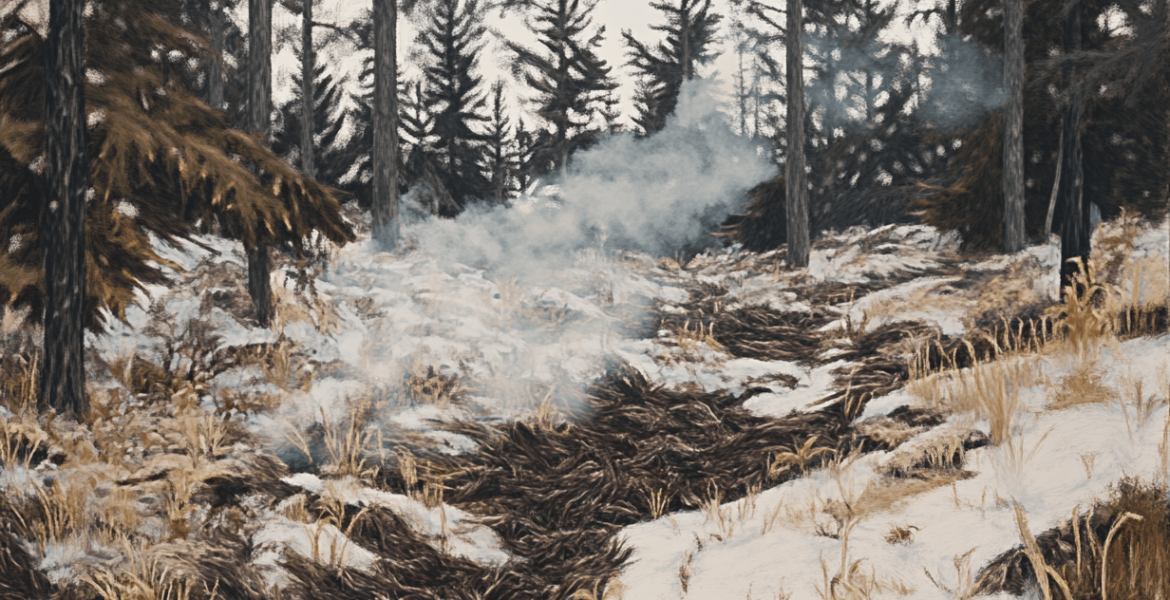
Even as temperatures drop and snow begins to cover much of British Columbia, the threat of wildfire doesn’t disappear. Many residents assume winter brings a complete pause in fire activity, but the reality is more complex. Climate patterns, shifting fuel conditions, and the lingering impacts of past fire seasons mean British Columbians must stay vigilant year-round. Understanding winter wildfire safety is no longer optional, it’s essential.
Below, we explore why wildfire risk persists even in colder months and how communities can stay prepared all year long.
The Changing Climate & Year-Round Wildfire Conditions
British Columbia has experienced some of its most severe wildfire seasons in recent years, driven by hotter summers, prolonged droughts, and unpredictable weather patterns. But the story doesn’t end in September.
Warmer winters are creating conditions where forest fuels such as dry branches, grasses, and deadfall aren’t receiving the moisture and snowpack they once did. In some regions, winter precipitation is arriving as rain instead of snow, reducing the insulating layer that usually keeps the forest floor cool and damp. This allows fuels to continue drying out, even during months when wildfire danger used to be minimal.
Another factor is the “carryover effect,” where extreme summer heat leaves vegetation dry and vulnerable long after wildfire season officially ends. When periods of winter dryness combine with wind or unseasonably warm temperatures, dormant fires can creep back to life. These are known as “zombie fires” or overwintering fires smoldering hotspots that survive underground through winter and re-emerge in spring.
The result? A province that faces fire risk in every season, not just summer.
Winter Activities Still Create Wildfire Ignition Risks
Many British Columbians associate wildfire ignition with campfires, lightning, and summer adventures. However, human activity in winter still plays a significant role in preventable fires, especially in remote and forested areas.
Outdoor recreation remains popular in BC year-round. Snowmobilers, hikers, hunters, and backcountry adventurers often rely on portable stoves, lanterns, and fire pits that can ignite dry fuels when conditions allow. Even vehicle exhaust systems can spark fires if they come into contact with brush or debris.
In addition, winter yard maintenance and land-clearing activities can accidentally contribute to fire spread. Burning debris piles, for example, can reignite days or even weeks after they appear to be extinguished. Strong winter winds can then carry embers across frozen ground, igniting pockets of dry fuels not visible beneath the surface.
Finally, structural fires pose a unique risk: if a building fire occurs near wildland edges, flames can spread into surrounding forests regardless of the season. Cold weather doesn’t stop ignition; it only changes how flames move and behave.
Understanding these risks is key to preventing winter wildfires. Staying informed through local fire authorities, following safe burning regulations, and choosing low-risk outdoor practices helps reduce human-caused ignitions year-round.
Preparing Your Property & Community for Year-Round Wildfire Safety
If the wildfire season never truly ends, then preparedness shouldn’t either. Winter is actually one of the best times for BC homeowners, property managers, and communities to strengthen their wildfire resilience.
Start with a winter wildfire assessment of your property. Clear away fallen branches, dead leaves, and combustible debris that accumulate after autumn storms. These materials dry quickly and serve as perfect fuel for fires in late winter and early spring. Consider pruning trees and shrubs to create defensible space, an important buffer zone that gives firefighters room to work.
Home hardening is another effective strategy. This includes upgrading to fire-resistant roofing materials, sealing gaps where embers can enter, cleaning gutters regularly, choosing non-flammable landscaping around the home, and utilizing structural fire protection units or installing structure protection sprinklers. Many of these improvements are easier to complete during winter when fire activity is lower.
Communities can also use the offseason to revisit emergency plans, update communication systems, and organize local FireSmart initiatives. Winter training sessions, equipment checks, and wildfire education programs keep residents informed and prepared for the unexpected.
By staying proactive, British Columbians can reduce the severity of future wildfires and protect their homes from evolving climate threats. As experts continue to warn that fire season is becoming a year-round challenge, preparedness is no longer a summer task, it’s a lifestyle.
At Spiedr, we believe strong wildfire safety begins with awareness, education, and proactive preparation. Winter may bring cooler temperatures, but the need to stay vigilant never fades.
FAQ: Winter Wildfire Safety in British Columbia
Do wildfires really happen in winter in British Columbia?
Yes. While less common, winter wildfires can occur due to dry conditions, warm spells, high winds, and overwintering “zombie fires” that reignite months later after smoldering underground.
What causes winter wildfires?
Most winter wildfires are human-caused—such as debris burning, equipment sparks, or recreational fires. Dry forest fuels and changing climate conditions also contribute to off-season fire activity.
How can I reduce wildfire risk on my property during winter?
Clear debris, remove dead vegetation, clean gutters, prune trees, and maintain defensible space around your home. Winter is also ideal for planning FireSmart improvements.
Can snow and cold weather stop wildfires completely?
Not always. Snow provides moisture, but inconsistent snowfall and warmer winters mean fuels may stay dry. Underground fires can also persist despite cold temperatures.
What is a “zombie fire”?
A zombie fire, or overwintering fire, is a hotspot that continues to smolder underground through winter and resurfaces in spring. These fires are fueled by peat, roots, and organic soil.

