
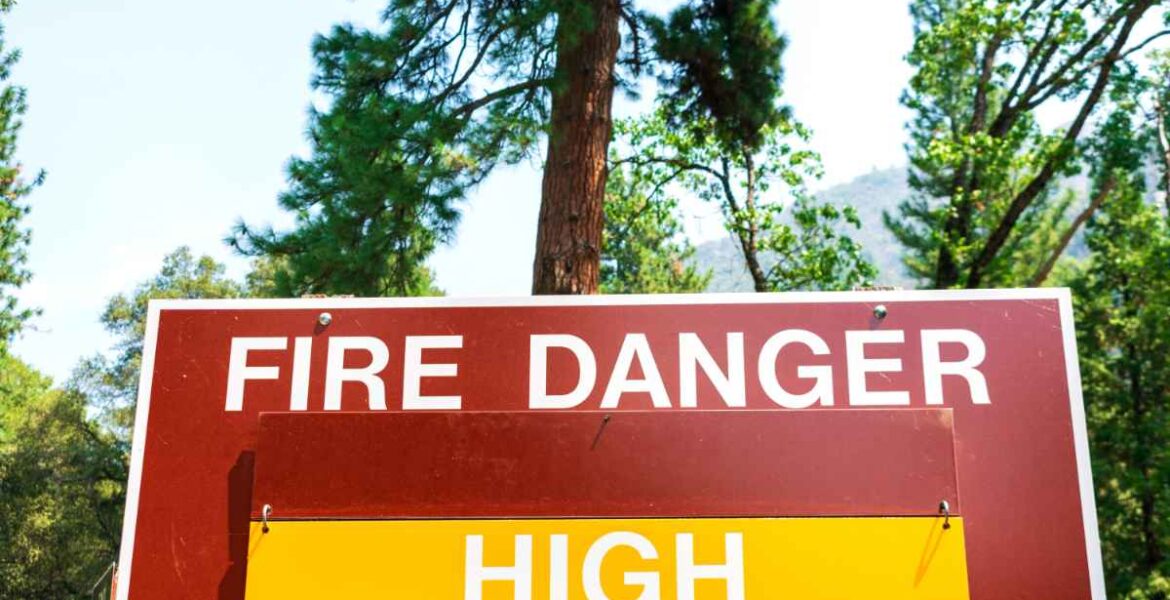
The Canada wildfire season has started earlier than expected this year, with fires already impacting multiple regions and forcing evacuations in the spring months. For communities—including those around Knutsford, BC—this early start signals a longer and potentially more demanding season ahead.
Here’s what’s happening, why it matters, and what property owners should be paying attention to right now.
Why Did the Wildfire Season Start Early?
An early start is usually driven by a combination of environmental conditions that make landscapes more vulnerable to ignition.
Key factors include:
- Warmer, drier weather earlier in the year
- Low snowpack and early snowmelt
- Dry vegetation acting as fuel
- Wind conditions that accelerate fire spread
When these conditions align, fires can ignite and spread faster than usual—well before peak summer months.
What We’re Seeing Across Canada
There has already been a noticeable increase in active wildfire in Canada, particularly across western regions.
Current patterns:
- Early-season fires triggering evacuations
- Rapid spread in dry, forested areas
- Multiple regions experiencing simultaneous fire activity
- Fires burning longer due to ongoing dry conditions
This early activity isn’t just a short-term spike—it suggests a sustained period of elevated risk.
How Wildfire Smoke Is Affecting Communities
Wildfire smoke is one of the most widespread impacts of early fire activity. Even areas far from active burn zones are feeling the effects.
Common impacts:
- Reduced air quality across large regions
- Increased health risks for vulnerable groups
- Disruptions to outdoor work and daily routines
- Reduced visibility affecting travel and operations
Because smoke can travel long distances, its impact often extends well beyond the immediate fire area.
What an Early Season Means for the Months Ahead
When wildfire activity begins early, it often leads to a longer and more demanding season overall.
What this typically means:
- Extended fire activity into late summer or fall
- Increased demand on fire suppression resources
- Higher risk to homes, businesses, and infrastructure
- More frequent evacuation alerts or orders
For property owners, this reinforces the need to act early rather than waiting for conditions to worsen.
How Property Owners Can Respond Now
While wildfire activity can’t be controlled, preparation can reduce exposure and improve outcomes.
Focus on practical steps:
- Clear vegetation and debris around structures
- Maintain defensible space
- Review and update evacuation plans
- Ensure access to water or suppression tools
The Role of Training and Equipment
As wildfire seasons become less predictable, more communities are turning to structured solutions to strengthen preparedness.
Support may include:
- Wildland fire suppression training
- Equipment rentals and deployment planning
- Professional consulting and risk assessments
What This Means for Areas Like Knutsford, BC
In regions like Knutsford, surrounding vegetation and seasonal dryness can increase wildfire exposure. An early start to the season highlights the importance of getting ahead of conditions rather than reacting to them.
Taking proactive steps now—before peak heat and dryness—can make a meaningful difference in reducing risk.
Final Thoughts
The early start to this year’s wildfire activity is a clear reminder that conditions are shifting—and preparation needs to keep pace. Staying informed, taking practical steps, and planning ahead can help reduce risk and improve safety.
SPIEDR supports communities with training, equipment, and guidance designed to strengthen wildfire readiness. If you’re looking to take a more proactive approach this season, their team is ready to help.
FAQ: Canada Wildfire Season
Why is the wildfire season starting earlier?
Warmer temperatures, earlier snowmelt, and prolonged dry conditions are contributing to earlier and longer wildfire seasons.
Does an early start mean a worse wildfire season?
Not always, but it often increases the likelihood of a longer and more active season, especially if dry conditions continue.
How far can wildfire smoke travel?
Smoke can travel hundreds or even thousands of kilometres, affecting air quality far from the original fire.
What’s the first step property owners should take?
Start by reducing fuel sources around your property and reviewing your emergency and evacuation plans.

