

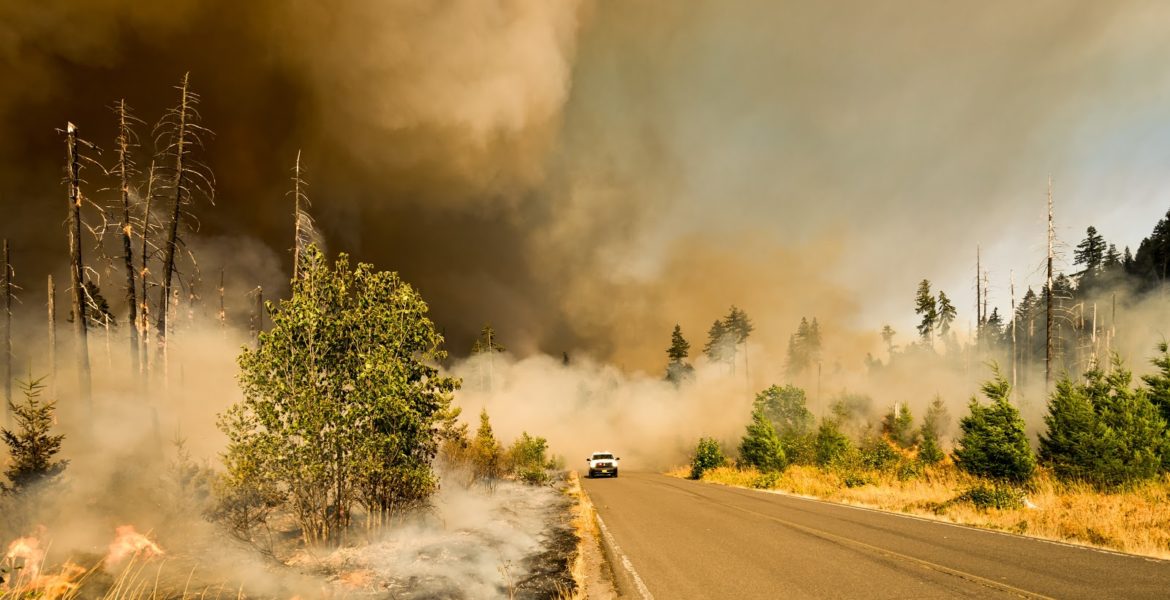
The Kincade Fire became one of the most significant wildfires to impact Sonoma County, California, in recent years. Igniting on the morning of October 23, 2019, the fire spread rapidly across large areas of land, forcing widespread evacuations and causing extensive wildfire destruction.
At its peak, the Sonoma County wildfire burned more than 77,000 acres and displaced thousands of residents. Although the fire was eventually contained, the event demonstrated how quickly wildfire conditions can escalate and why preparedness remains essential for communities and property owners.
What Happened During the Kincade Fire
The Kincade Fire began during a period of dry weather and strong winds — two conditions that often contribute to rapid wildfire growth.
Within days, the fire expanded across Sonoma County, prompting large-scale evacuation orders. Emergency crews responded quickly to protect residents and coordinate suppression efforts.
Key facts from the event include:
- The fire burned 77,758 acres of land
- Over 180,000 residents were evacuated
- 174 homes were destroyed
- A total of 360 structures were lost
- Another 60 structures sustained damage
Despite the scale of the wildfire destruction, there were no reported fatalities. Several first responders were treated for non-life-threatening injuries while working to contain the fire.
The Impact of the Sonoma County Wildfire
The damage caused by the Kincade Fire affected entire communities throughout Sonoma County.
After evacuation orders were lifted, many residents returned home to assess the damage. For some, that meant rebuilding after losing homes or property.
Beyond structural losses, large wildfires often create additional challenges such as:
- Infrastructure disruptions
- Poor air quality across surrounding regions
- Long-term economic and environmental impacts
The large-scale evacuations also showed how important emergency planning and communication are during wildfire events. In some cases, residents were relocated multiple times as fire conditions shifted.
Why Wildfires Are Becoming More Intense
In recent years, wildfires across North America have grown larger and more difficult to contain. Several environmental and climate factors are contributing to this trend.
Key conditions influencing wildfire growth include:
- Extended periods of hot, dry weather
- Lower moisture levels in vegetation
- Strong seasonal winds
- Longer and more active wildfire seasons
As these conditions become more common, communities are placing greater emphasis on wildfire prevention, preparedness, and coordinated emergency response.
Lessons Learned from the Kincade Fire
Large wildfire events often reveal important insights for communities in fire-prone areas.
Some key lessons from the Kincade Fire include:
The importance of evacuation planning
Communities with established evacuation procedures are better able to respond quickly and protect residents during emergencies.
Preparation helps reduce risk
Property owners who maintain defensible space and understand wildfire hazards may reduce the likelihood of severe damage.
Resources and coordination matter
Effective wildfire suppression requires trained responders, specialized equipment, and coordinated communication between agencies.
Strengthening Wildfire Preparedness
While wildfire risk cannot be eliminated entirely, proactive preparation can significantly reduce potential damage.
Effective wildfire preparedness strategies often include:
- Conducting wildfire risk assessments
- Managing vegetation and maintaining defensible space
- Installing wildfire protection systems
- Developing emergency evacuation plans
Applying Lessons Beyond California
Although the Kincade Fire occurred in California, similar wildfire risks exist in many parts of North America.
Communities in forested regions — including areas near Knutsford, BC — face increasing wildfire threats during dry seasons. Studying past wildfire events can help other regions improve planning, preparedness, and response strategies.
Organizations such as SPIEDR support wildfire preparedness by providing consulting, training, and specialized equipment designed to help property owners and communities strengthen wildfire safety strategies.
Learning from the Kincade Fire
The Kincade Fire is a powerful example of how quickly wildfire events can grow and impact entire communities. The evacuations and wildfire destruction across Sonoma County highlight the importance of preparation, coordination, and effective response.
By learning from past wildfire events and strengthening preparedness strategies, communities and property owners can improve resilience against future fires.
For those living in wildfire-prone regions — including areas near Knutsford, BC — improving wildfire readiness can make a meaningful difference. SPIEDR works with property owners and organizations to provide wildfire consulting, training, and protection solutions designed to help safeguard people, property, and communities.
Frequently Asked Questions
What caused the Kincade Fire?
Investigations determined the Kincade Fire was caused by electrical transmission equipment during a period of dry conditions and strong winds.
How large was the Kincade Fire?
The wildfire burned approximately 77,758 acres in Sonoma County before it was fully contained.
How many homes were destroyed during the Kincade Fire?
The fire destroyed 174 homes and a total of 360 structures, with dozens of additional buildings sustaining damage.
Why are wildfires becoming more common?
Longer dry seasons, drought conditions, and climate-related changes are contributing to increased wildfire activity across many regions.

