
How To Protect Your Home From Wildfires: Preparation Wildfire Season in British Columbia!
Knowing how to prepare for wildfire season is essential for homeowners across British Columbia. With hundreds of active fires recorded in recent seasons and periodic provincial states of emergency, wildfire readiness is no longer optional, it’s part of responsible property ownership.
Hot, dry summers and changing weather patterns have increased fire activity across the province. Whether you live in a rural area, near forested land, or on the edge of a growing community, taking proactive steps now can significantly reduce risk later.
Below is a practical guide to help you protect your home, property, and family.
Create a Clear Emergency Plan
Preparation starts with a written plan. Every household should know:
- Evacuation routes from the home and neighbourhood
- A designated meeting location
- Emergency contact numbers
- Responsibilities for each family member
If you have livestock or pets, plan in advance where they can be transported if air quality deteriorates or evacuation orders are issued. Waiting until the last minute reduces your options.
An emergency kit should also be ready at all times. Include essentials such as:
- Water and non-perishable food
- First aid supplies
- Flashlights and batteries
- Important documents
- Medications
- Pet supplies
Reduce Fire Risk Around Your Home
Creating defensible space is one of the most effective ways to limit wildfire damage.
Maintain Your Roof and Gutters
Dry leaves and debris are highly flammable. Clean your roof and gutters regularly, especially during peak fire season.
Choose Fire-Resistant Materials
If building or renovating, consider fire-resistant roofing and exterior materials. These upgrades can significantly reduce ignition risk from airborne embers.
Remove Combustible Items
Clear away wood piles, outdoor furniture, propane tanks, grills, and other flammable materials from around your home’s perimeter.
Landscape Strategically
Plant fire-resistant trees and shrubs, and maintain proper spacing between vegetation. Avoid dense clusters of dry brush near structures.
Keep Essential Tools and Equipment Accessible
Wildfires can escalate quickly. Having the right tools available improves your ability to respond safely if conditions change.
Recommended equipment includes:
- At least one ABC-rated fire extinguisher (ensure all household members know how to use it)
- A garden hose long enough to reach the entire structure
- Ladders to access the roof if needed
- Basic hand tools such as a shovel, rake, axe, or handsaw
- A portable water pump, especially in areas where power outages are possible
If you have an outdoor water source such as a pool, tank, or pond, ensure it remains filled and accessible during fire season.
Before evacuating, close all windows, doors, and shutters, and shut off natural gas or propane supplies if instructed by local authorities.
Consider Additional Structural Protection
While preparation and defensible space are critical, supplemental protection systems can further strengthen your wildfire readiness plan.
SPIEDR provides wildfire suppression solutions designed to help protect structures, farms, ranches, and critical infrastructure. For example:
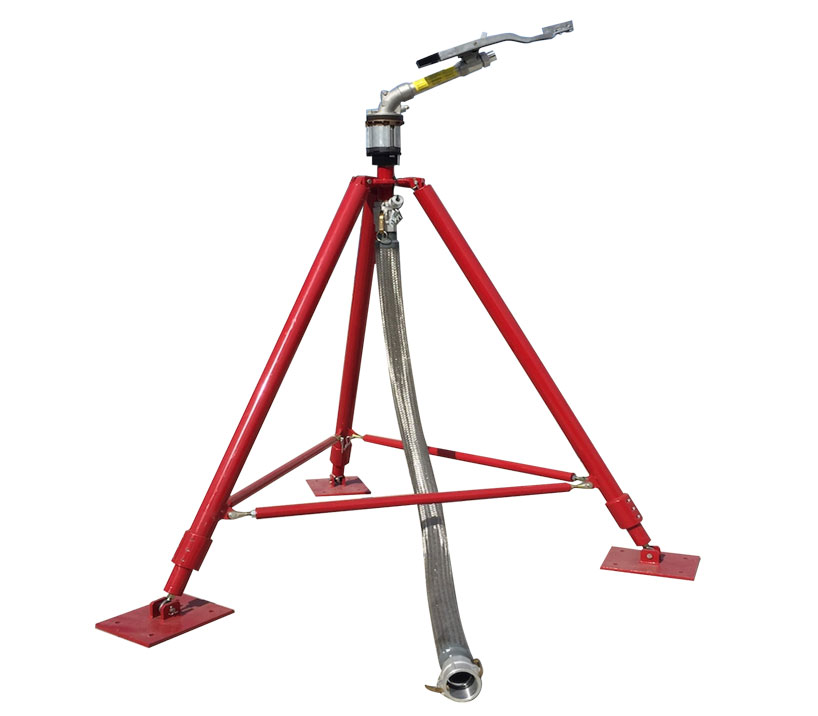
The Deluge 1 Sprinkler Kit
Designed to protect up to four average-sized homes, the Deluge 1 Sprinkler Kit provides a practical structure-protection solution during advancing wildfire conditions.
Product highlights:
- Designed to protect multiple structures
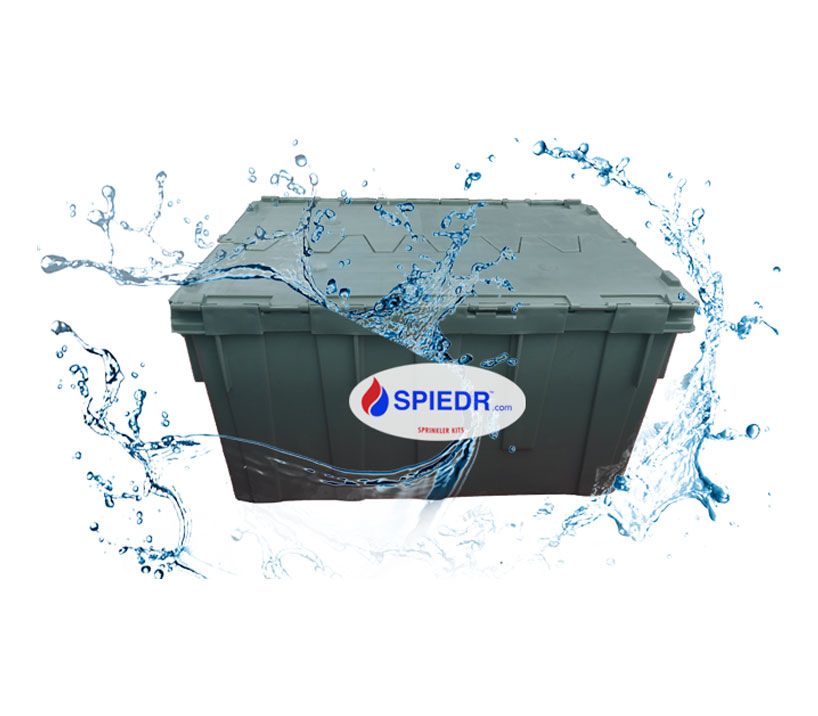
- Packaged in a durable poly shipping container
- Container converts to long-term storage for apparatus
Systems like these are intended to support broader wildfire preparedness efforts — not replace professional emergency response — but they can add a valuable layer of defence when deployed correctly.
Wildfire Readiness Is an Ongoing Process
To effectively prepare for wildfire season, homeowners must combine planning, property maintenance, and appropriate equipment. Conditions can change rapidly, but consistent preparation significantly improves resilience.
SPIEDR supports communities across British Columbia with wildfire protection systems and equipment designed for real-world conditions. If you’re evaluating ways to strengthen your property’s protection plan, our team can help you explore practical options suited to your needs.
Frequently Asked Questions
When should I start preparing for wildfire season?
Preparation should begin well before peak summer conditions. Spring is typically the best time to clean gutters, assess landscaping, and review emergency plans.
Is a sprinkler system enough to protect my home?
No single system guarantees protection. Sprinklers are most effective when combined with defensible space, fire-resistant materials, and a clear evacuation plan.
Do portable fire pumps work during power outages?
Many portable pumps are gas-powered and can operate independently of the electrical grid, making them useful during wildfire-related outages.
How do I know if my property is at higher wildfire risk?
Homes near forests, grasslands, or in rural interface areas generally face higher exposure. Local fire authorities can provide hazard assessments specific to your region.
See how our products below can help you protecting your home from wildfire.
The Deluge 1 Sprinkler Kit – Protects 4 Structures:
Product Specs:
- Protects 4 average size homes
- Contents are packaged in durable poly shipping container with attached lid. It then converts to a storage container for your apparatus.
The Rainmaker – Designed for Oil & Gas Industry Infrastructure Protection
Product Specs:
- Designed for Oil and Gas Industry to protect key infrastructure such as Operations Buildings during wildland fire events.
- Permanent or seasonal install onto roof tops
- Sprinkler diameter coverage of minimum 240′ – 620′ diameter dependent on head specified
- Continuous 360-degree rotation