
Wildfires can spread quickly and unpredictably, especially in remote or heavily forested areas. Understanding how wildland firefighting equipment works helps explain how fires are controlled—and how homes and communities can be better protected.
In regions like Knutsford, BC, where wildfire risk is part of the seasonal reality, having the right systems in place can make a meaningful difference in both response and prevention.
What Equipment Is Used to Fight Wildfires?
Wildland firefighting relies on a mix of aerial support, water delivery systems, and preventative tools. Each plays a specific role—some slow the fire, others protect structures, and others support ongoing suppression.
The most effective wildfire response combines these systems rather than relying on a single solution.
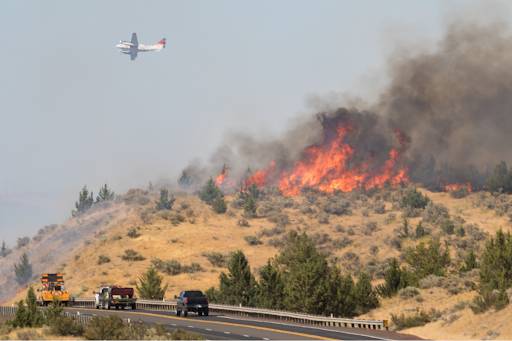
Aircraft: Rapid Response from Above
Aircraft are often the first line of response, especially in remote or inaccessible terrain.
They are used to:
- Transport fire crews and essential equipment
- Drop water or fire retardant directly onto active fire zones
- Monitor fire behavior using aerial and infrared imaging
This rapid deployment helps contain fires early, before they grow out of control.
Sprinkler Systems: Protecting Structures Before Fire Arrives
A wildfire sprinkler system is one of the most practical ways to protect property ahead of a fire.
How it works:
- Water is applied to buildings and surrounding vegetation
- Surfaces stay damp, reducing the chance of ignition from embers
- The system creates a protective buffer around structures
These systems are typically set up in advance and activated when a threat is nearby.
Common use cases:
- Homes and rural properties
- Farms and agricultural buildings
- Commercial structures in high-risk areas
Portable Water Pumps: Flexible Water Access
Portable pumps are a critical part of wildfire suppression equipment, especially where there’s no direct water infrastructure.
Their role includes:
- Drawing water from lakes, rivers, or reservoirs
- Supplying hoses or sprinkler systems
- Keeping surrounding fuel sources wet to slow fire spread
Because they’re mobile, pumps can be repositioned as conditions change, making them especially useful in dynamic fire environments.
Why a Combined Approach Works Best
No single tool can stop a wildfire. The most effective strategy is layered and coordinated.
A typical approach includes:
- Aircraft for fast response and situational awareness
- Sprinkler systems for structure protection
- Pumps and water systems for sustained suppression
Together, these systems reduce fire intensity, slow progression, and improve protection outcomes.
Equipment Isn’t Just for Response—It’s for Prevention
A key shift in wildfire strategy is focusing on preparation, not just reaction.
Preventative uses of equipment include:
- Installing sprinkler systems before peak season
- Maintaining moisture levels around structures during dry periods
- Setting up water access points in advance
This proactive approach can significantly reduce the risk of damage when a wildfire occurs.
How SPIEDR Supports Wildfire Protection
Access to the right equipment—and knowing how to use it—can make all the difference. SPIEDR works with property owners and communities to improve both preparedness and response.
Support includes:
- Wildfire sprinkler systems and trailers
- Portable pumps and water delivery solutions
- Consulting and planning for wildfire readiness
Wildfire Equipment Considerations in Knutsford, BC
In areas like Knutsford, surrounding vegetation and seasonal dry conditions increase wildfire exposure. That makes early preparation and the right equipment especially important.
Putting systems in place before peak fire season helps reduce risk and gives property owners more control when conditions escalate.
Final Thoughts
Wildland firefighting equipment plays a vital role in both controlling fires and protecting what matters most. When used as part of a broader strategy, these tools can reduce risk and improve outcomes during wildfire events.
SPIEDR helps property owners and communities take a more proactive approach with equipment, training, and planning support. If you’re looking to strengthen your wildfire preparedness, their team is ready to help.
FAQ: Wildland Firefighting Equipment
What equipment is most effective for protecting property from wildfires?
A combination of sprinkler systems and portable water pumps is highly effective for property protection, especially when set up before a fire approaches.
How early should wildfire equipment be installed or prepared?
Ideally, preparation should happen before peak wildfire season—once conditions begin to dry and risk increases.
Are sprinkler systems only useful during active fires?
No. They are often most effective when used proactively to keep surfaces moist before embers arrive.
Do you need professional support to use wildfire suppression equipment?
While some systems can be used independently, professional guidance helps ensure proper setup and effectiveness.

